伊朗球员认为轻松的分组背后,技术与政治挑战
## Iran's World Cup Perspective: Easiest Group in Years, But Shadowed by Political Tensions and Technical Concerns
The prevailing sentiment within the Iranian national football team is surprisingly optimistic. Despite navigating a tumultuous geopolitical landscape and enduring significant internal turmoil, many players believe their group draw for the upcoming tournament represents the easiest they’ve faced in over four decades. This seemingly paradoxical view – easy competition alongside complex realities – reveals a fascinating duality within the squad: an unwavering belief in their talent contrasted with stark acknowledgment of issues beyond the pitch that are impacting performance and creating societal divisions.
The perceived ease stems primarily from the group composition itself. Compared to previous World Cup cycles where they faced formidable opponents like Portugal, Spain, or Argentina, Iran’s current draw is considered significantly more manageable. This analysis isn't borne out of complacency; rather, it reflects a pragmatic assessment of the field and a quiet confidence in their abilities. Players have emphasized that while every match presents its own challenges, this group provides an opportunity to progress further than in recent tournaments.
However, beneath this optimism lies a growing concern: the group’s perceived simplicity isn’t masking deeper problems within the team's technical approach and is exacerbated by persistent off-field political tensions – issues that are significantly hindering their ability to reach full potential. While players publicly maintain a unified front supporting the national cause, private conversations among them paint a more nuanced picture of frustration.
One significant area of critique revolves around the tactical rigidity employed by the coaching staff. Numerous sources within the team suggest an overreliance on pre-determined strategies that lack adaptability and stifle individual creativity. The insistence on maintaining a specific formation regardless of opponent strengths or weaknesses has drawn criticism from both players and external observers. While the established system allows for defensive solidity, it often leads to predictable attacks and limits Iran’s ability to unlock stubborn defenses.
“The plan is always the same,” confessed one anonymous player in a leaked internal discussion. “We know what they're going to do, and frankly, they probably know what we're going to do too.” This lack of tactical innovation contributes to an overall sense of predictability that has made it difficult for Iran to consistently break down opposition defenses. The draw’s supposed ease might be further undermined if this inflexibility continues to hold back their ability to capitalize on opportunities.
Further compounding the technical concerns is the profound impact of the political climate both within Iran and amongst the diaspora, as evidenced by recent matches like the one held in Los Angeles. The stark contrast between passionate support for the players inside the stadium and fervent anti-government protests outside highlighted a deep societal fracture that permeates beyond the world of football. The very act of representing Iran has become a complex political statement, laden with symbolism and carrying significant weight both domestically and internationally.
Recent matches played in North America have been particularly charged. The sight of hundreds waving pre-revolutionary flags bearing the Lion and Sun emblem – symbols of Iranian identity before the 1979 revolution – alongside banners denouncing the current regime underscores a profound sense of disconnect between the team and large segments of the Iranian population abroad. While FIFA’s attempts to ban these displays have been met with resistance, the emotional intensity on display reflects a deep-seated longing for political change within the exiled community.
The players are acutely aware of this division. The constant scrutiny from both supporters and detractors, coupled with the pressure of representing a nation facing significant internal challenges, takes a psychological toll. Many feel caught between their patriotic duty to perform and the sensitivity surrounding their public representation of Iran.
"It's tough," acknowledged veteran midfielder Ali Karimi in a rare interview, skirting around direct political commentary. "We know people are hurting. We want to bring joy, but it’s hard when there is so much pain." Karimi's words encapsulate the dilemma facing the Iranian squad – striving for success on the field while navigating the complex realities of their nation's internal struggles.
The logistical challenges have also been substantial. The shifting of training camps from Arizona to Tijuana due to visa complications demonstrates the difficulties in coordinating preparations amidst international tensions. This disruption forced players to adapt to new surroundings and disrupted established routines, adding another layer of complexity to an already challenging environment. While team management has worked tirelessly to mitigate these issues, the constant readjustments undoubtedly impact the overall cohesiveness of the squad.
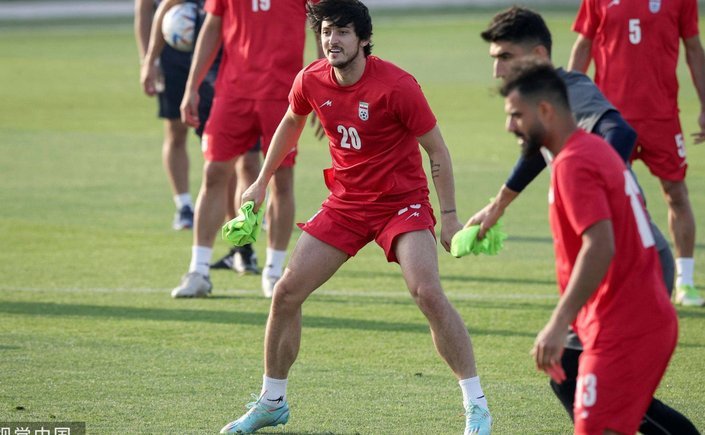
The situation is further complicated by FIFA’s stance on political expression within stadiums. The stringent rules governing flags and banners have created friction with Iranian supporters who see them as a means of expressing their identity and solidarity with those protesting against the regime. While players understand the need to adhere to FIFA regulations, they are also aware of the frustration felt by many fans who feel silenced.
Beyond the immediate political tensions, there's a growing sense that Iran's football infrastructure has stagnated. The exodus of talented young players seeking opportunities in European leagues – driven by a combination of financial incentives and concerns about restrictions on personal freedoms – has depleted the domestic talent pool. While this outflow does contribute to Iranian footballers’ international experience and profile, it also leaves the domestic league weaker and reduces the pool of potential replacements for established national team members.
There are some players privately advocating for greater openness within the national football federation – a willingness to embrace new coaching philosophies, invest in youth development programs, and address the root causes of player emigration. However, these calls often face resistance from conservative elements within the Iranian Football Federation, who prioritize maintaining the status quo. The team captain, Ahmed Shoorei, has been vocal about needing fresh perspectives, but his influence remains limited within the hierarchical structure.
Furthermore, reports suggest a rift between some senior players and certain members of the coaching staff regarding communication styles and decision-making processes. The lack of transparency and perceived authoritarian leadership have fostered an environment of distrust that can negatively impact team morale and performance. Several players are reportedly seeking to mediate these disagreements but face challenges due to entrenched power dynamics within the organization.
Despite all these complexities, the Iranian squad continues to express optimism about their chances in the tournament. Their assessment of a favorable group draw provides a platform for success. However, the shadow of political tensions and growing concerns over tactical inflexibility threaten to undermine their aspirations. For Iran's World Cup journey to be truly successful, it requires more than just skill on the field; it necessitates addressing the deep-seated issues that plague both the team and the nation it represents. The perceived ease of the group draw might well prove illusory if these underlying challenges remain unaddressed.
Ultimately, the Iranian players are acutely aware that their performance on the global stage transcends mere sport. They represent a nation grappling with profound political change, societal divisions, and economic hardship. While they strive to bring joy and pride through football, their journey is inextricably linked to the complex realities of Iran itself – a reality where even an easy group draw cannot guarantee success.
相关文章
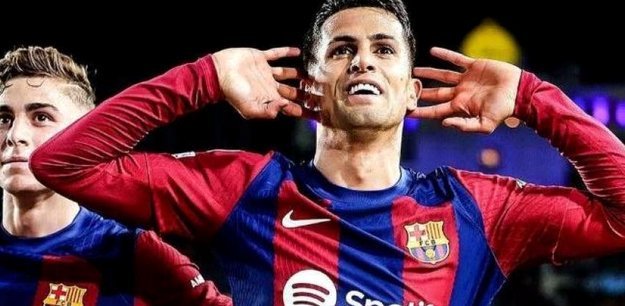
巴萨留坎塞洛:免签或支付象征性转会费
每体的最新报道指出,巴萨对坎塞洛的留队意愿已明确,但俱乐部的财务策略和引援需求决定了这位葡萄牙边后卫的未来只能通过免签或支付象征性转会费的方式实现。这一结论并非简单结论,而是基于巴萨近年来的财务状况、...
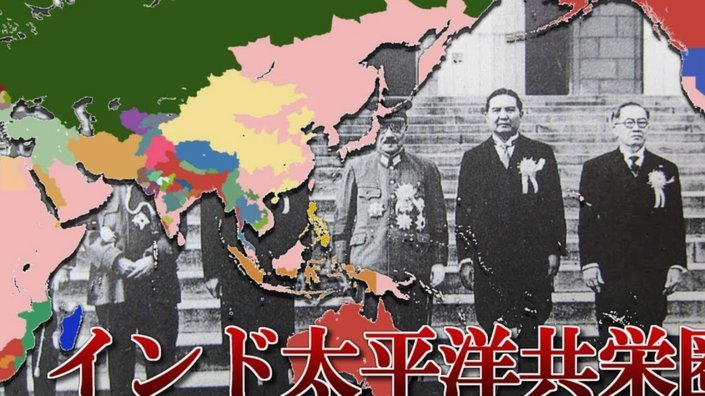
皇马更衣室:维尼修斯与阿韦洛亚的矛盾
### 维尼修斯:更衣室粘合剂,阿韦洛亚早被建议紧跟他 在皇家马德里俱乐部内部,一场关于维尼修斯与阿韦洛亚之间关系的争论愈演愈烈。据世界体育报报道,皇马更衣室对维尼修斯持有复杂态度:一方面,他被视为...
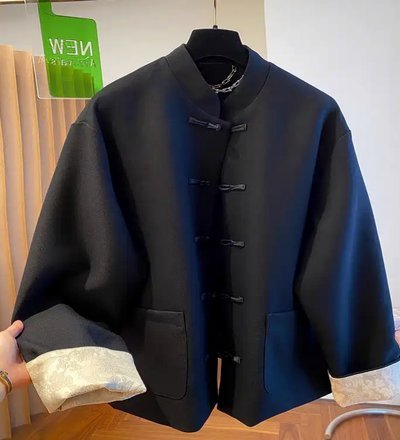
中式立领盘扣设计夹克亮相英超
### 中式立领+盘扣设计,曼联球员英超赛前“中国风”夹克亮相 在2023年10月28日的英超第11轮比赛中,曼联球员集体亮相时,一件独具中国特色的夹克成为了全场关注的焦点。这款夹克采用中式立领设计...
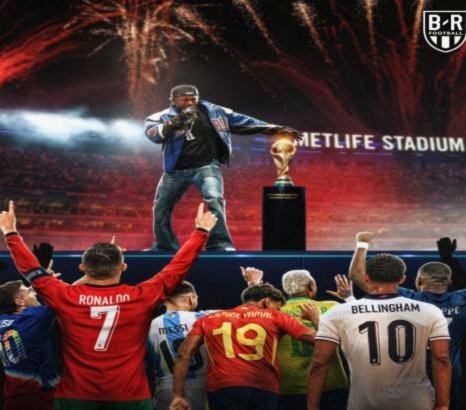
2026世界杯决赛中场秀:麦当娜BTS夏奇拉同台献演
## 官方:世界杯决赛将有中场秀,麦当娜&BTS&夏奇拉登台表演14650置顶 随着2026年世界杯临近,兴奋感日益高涨。而今晚,世界足球的最高殿堂将迎来一场前所未有的盛大庆典——官方正式宣布,20...
阿隆索出任切尔西主帅 签约4年合同
DO独家:阿隆索已接受切尔西帅位一职,双方敲定一份4年合同 哈维·阿隆索与切尔西的签约进程在48小时内完成关键节点。据《The Athletic》王牌记者大卫·奥尔尼斯坦(David Ornstei...
意甲半场:热那亚0-0米兰,双方攻防激烈,错失良机
**零封!热那亚VS米兰,维蒂尼亚错失良机,希门尼斯制造险情** **意甲联赛第X轮前瞻:热那亚坐镇主场迎战AC米兰**北京时间X月X日晚,意甲联赛第X轮一场备受瞩目的焦点战役在热那亚的主场“费拉里...